
Which Animals Eat Flowers: From Insects to Mammals
Flowers aren’t just a feast for the eyes—they’re also a source of food for many creatures in the animal kingdom. From tiny pollinators to massive herbivores, numerous species rely on flowers for nutrients, energy, and survival. While we often think of blooms as delicate and ornamental, in the wild they play a critical role in feeding ecosystems. And while animals enjoy nature’s blossoms, humans can bring floral beauty into their homes through Big Bouquets of Roses, making flowers both a culinary and aesthetic delight.
1. Honeybees
Honeybees are well-known flower visitors, primarily feeding on nectar and pollen. While their main role is pollination, they do consume parts of flowers as they collect food. Nectar provides them with energy in the form of sugars, while pollen offers proteins and nutrients needed for colony health. Honeybees visit flowers not to destroy them but to gather resources, which they turn into honey. Their feeding benefits both the bees and the plants, as pollination helps flowers reproduce.

2. Butterflies
Butterflies feed on flowers using their long proboscis to sip nectar, which serves as their primary energy source. Unlike bees, they don’t consume the flower parts themselves, but their constant landing and feeding can cause wear to delicate petals. They prefer brightly coloured, fragrant flowers that produce abundant nectar. Butterflies play an important ecological role in pollination while relying on flowers for their survival.

3. Moths
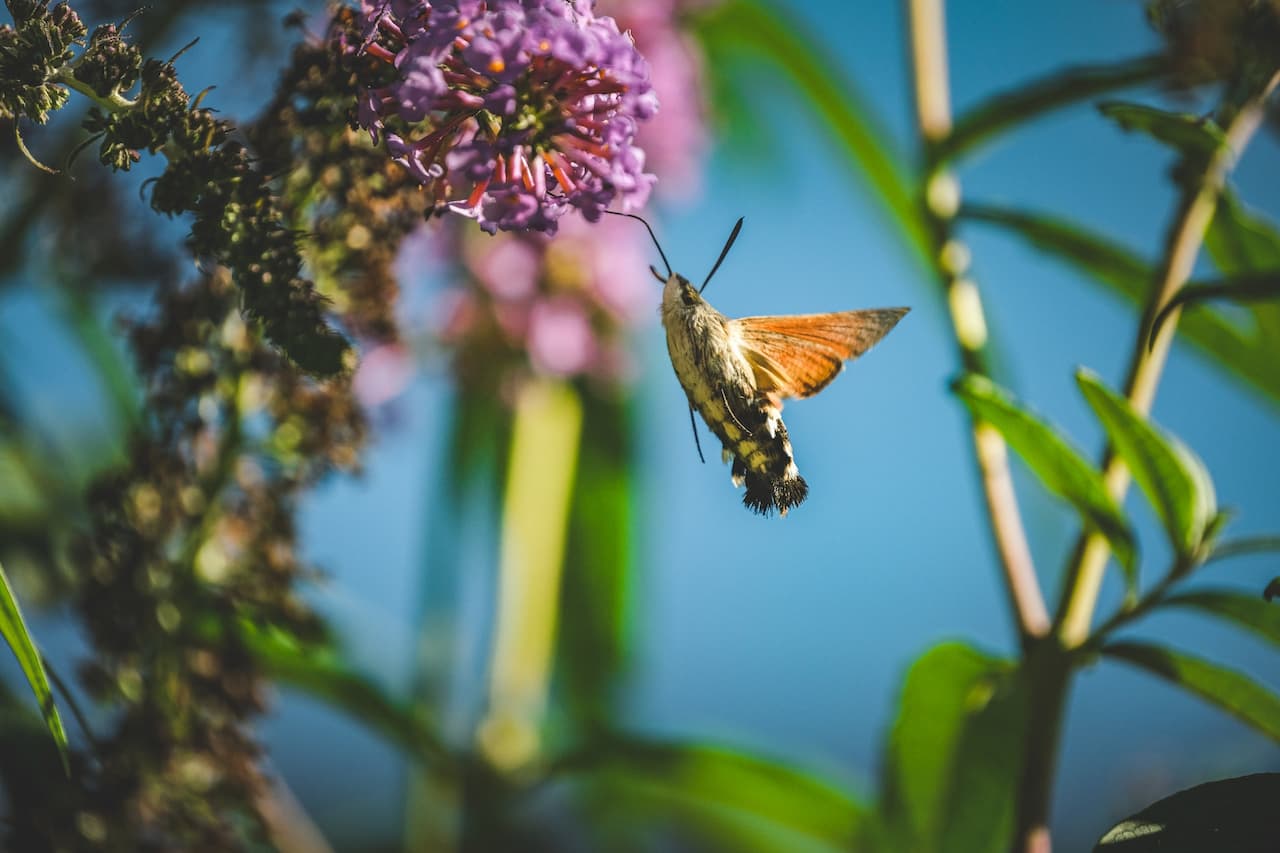
Moths, like butterflies, have a proboscis designed for drinking nectar. Many moths, particularly nocturnal species, feed on night-blooming flowers such as jasmine or moonflowers. Their feeding is driven by their need for energy during flight and reproduction. Some species, however, are less gentle than butterflies and may chew through softer flower parts, damaging the petals.
4. Beetles
Beetles are among the oldest pollinators and often feed directly on flower petals, nectar, and pollen. Known as “mess and soil” pollinators, beetles can be clumsy, tearing petals and leaving bite marks. They are especially attracted to flowers with strong scents, such as magnolias. For many beetle species, flowers offer both food and a place for mating, making them frequent visitors.

5. Ants
Ants often crawl into flowers to collect nectar, and in doing so, they sometimes consume pollen and other small floral tissues. Their feeding is driven by the high sugar content of nectar, which fuels their energy needs. While they are not as efficient at pollination as bees or butterflies, ants can sometimes aid in the process, though they may damage delicate flowers with their chewing.
6. Hummingbirds
Hummingbirds are flower feeders that consume nectar to sustain their high metabolism. Their long beaks and tongues are adapted to accessing nectar deep within tubular flowers. While they primarily seek nectar, hummingbirds may also nip at petals to access hidden nectar reserves. Flowers are a vital food source for these small birds, providing the quick energy needed for their rapid wingbeats.

7. Flies (Hoverflies)
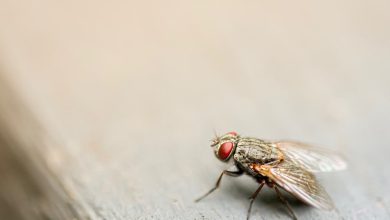
Many species of flies, especially hoverflies, feed on nectar and pollen. While they do not usually eat flower petals, they may damage flowers when landing and probing for food. Flies are attracted to flowers with open shapes and sometimes foul odours. Their feeding behaviour makes them accidental pollinators while providing them with essential sugars for energy.
8. Caterpillars
Caterpillars, the larval stage of butterflies and moths, are voracious feeders and often consume entire flowers, including petals, buds, and stems. Unlike adult butterflies that drink nectar, caterpillars chew through plant material to gain energy and nutrients for growth. Flower petals are a soft, nutrient-rich part of plants, making them an ideal food source for many caterpillar species.
9. Grasshoppers
Grasshoppers are herbivorous insects that often feed on various parts of plants, including flowers. They chew petals and buds to obtain energy and moisture, especially when leaves are scarce. Their strong mandibles can cause visible damage to flowering plants, making them a common garden pest during warm seasons.
10. Parrots
Some parrot species, such as the rainbow lorikeet, feed on flowers for both nectar and the soft petals themselves. Their brush-tipped tongues are designed to lap up nectar, while they sometimes nibble on petals for additional nutrition. Flowers are an important seasonal food source for parrots, particularly in Australia, where eucalyptus and bottlebrush blossoms attract large flocks.
Insects: The Masters of Nectar Feasting
Bees are the most famous flower-eaters, consuming nectar and pollen as their primary food source. This diet fuels their ability to produce honey and sustain hives. Butterflies and moths also depend on floral nectar, using their long proboscises to sip sweetness from deep blooms. Even some beetles and flies feast on petals or pollen, making flowers vital for insect biodiversity.
Birds and Bats: Specialized Pollinators
Hummingbirds are well-known for their floral diet, seeking out brightly colored, tubular flowers rich in nectar. Their rapid wingbeats and long beaks make them perfect for reaching deep into blossoms. Similarly, certain species of bats, especially in tropical regions, feed on flower nectar at night, playing a vital role in pollinating plants like bananas and agave.
Herbivorous Mammals: Flowers on the Menu
Many grazing animals enjoy flowers as part of their diet. Goats, for example, are opportunistic feeders that will happily munch on wildflowers along with shrubs and grass. Deer are also fond of tender blossoms, particularly in spring when blooms are abundant and nutritious. These petals provide vitamins and moisture that complement their leafy diet.
Giants of the Wild: Elephants and Beyond
Surprisingly, elephants are known to consume flowers when available. In the savannas and forests, they seek out plants that bloom seasonally, enjoying the sweet taste and high moisture content. Their feeding habits not only nourish them but also help disperse seeds, contributing to ecosystem regeneration.
Why Flowers Matter in Animal Diets
Flowers offer more than beauty—they supply sugar-rich nectar, protein-packed pollen, and essential vitamins. For many animals, they represent a seasonal but crucial food source that supports life cycles and ensures plant reproduction through pollination.
From bees buzzing among blossoms to elephants pulling down flowering branches, flowers form an integral part of nature’s dining table. Next time you admire a bloom, remember it’s more than decoration—it’s survival for countless species.